Cultural insights into the evolution of gambling perspectives across societies
Cultural insights into the evolution of gambling perspectives across societies
Historical Context of Gambling
The practice of gambling dates back thousands of years, with evidence found in ancient civilizations such as China, Egypt, and Rome. These societies engaged in various forms of gaming, often intertwining them with social and religious practices. In many cases, gambling was viewed as a method of divination or a way to appeal to the gods, reflecting a cultural belief in fate and chance. Today, you can explore the top 20 online casinos in south africa for a modern twist on these age-old practices.
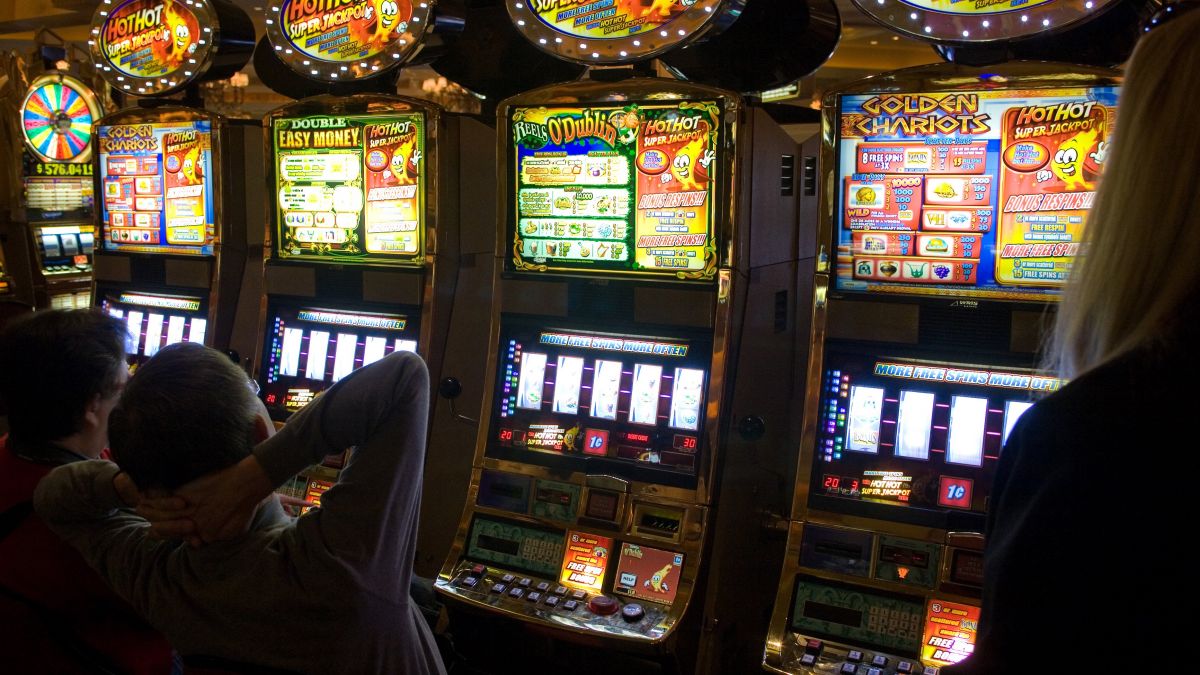
As societies evolved, so did the nature of gambling. The introduction of formal regulations and the establishment of legal frameworks began to shape the perception of gambling from mere pastime to a structured industry. This transformation mirrored the changing values of societies, where the line between entertainment and vice began to blur.
Cultural Attitudes Towards Gambling
Cultural perspectives on gambling can vary dramatically from one society to another. In some cultures, gambling is embraced as a social activity, often linked to celebrations and community bonding. For instance, in parts of Europe, games like poker and betting on sports are commonly enjoyed among friends and family, enhancing social interactions.
Conversely, other societies view gambling as a moral failing or social ill. In many religious contexts, gambling is discouraged or outright banned, perceived as a source of potential harm and addiction. This dichotomy illustrates how cultural beliefs and values significantly shape societal attitudes towards gambling practices.
The Impact of Technology on Gambling Perceptions
The advent of technology has revolutionized the gambling landscape, introducing online platforms that offer easy access to games and betting opportunities. This shift has altered public perception, making gambling more accessible while also prompting discussions around its regulation and ethical implications. Technology has enabled a new generation to engage with gambling in unprecedented ways, often fostering both excitement and concern.
Moreover, the proliferation of mobile apps and online casinos has changed the conversation around responsible gambling. With convenience comes the potential for increased risk, leading to a greater emphasis on promoting safe gambling practices. Societies are beginning to recognize the need for education and awareness in this digital age, aiming to balance enjoyment with responsibility.
Modern Approaches to Responsible Gambling
As gambling continues to evolve, so do the strategies for promoting responsible behavior among players. Many jurisdictions now incorporate education initiatives aimed at informing individuals about the risks associated with gambling and the importance of moderation. This shift acknowledges that while gambling can be a form of entertainment, it carries inherent risks that must be managed.
Organizations and governmental bodies increasingly collaborate to develop frameworks that prioritize player protection. These initiatives include self-exclusion programs, support networks for individuals facing gambling addiction, and resources for identifying problematic behaviors. Such measures reflect a growing recognition of the need for balance between enjoyment and accountability.
Exploring the Future of Gambling Perspectives
The future of gambling perspectives will likely be shaped by ongoing social changes and technological advancements. As societies grapple with the implications of legalized gambling and online platforms, the need for informed discussions about its impact on communities will become increasingly important. Understanding cultural insights into gambling will be crucial in navigating these changes.
As we look forward, it’s essential to foster a comprehensive dialogue surrounding gambling that encompasses both its entertainment value and the potential risks involved. By prioritizing education, awareness, and responsible practices, societies can cultivate a healthier relationship with gambling, ensuring it serves as a source of enjoyment rather than a cause for concern.
Related Posts
Recent Blog Posts
Advanced Gambling Strategies Unveiling the Secrets to Success
Advanced Gambling Strategies Unveiling the Secrets to...
Dytor 100 mg Cipla: Dosaggio e Utilizzo nel Bodybuilding
Dytor 100 mg Cipla è un farmaco...
¿Qué casino te da dinero real?
En la actualidad, la industria de los...
Надежные сайты для покупки стероидов
Надежные сайты для покупки стероидов В современном...
Casino dünyasına daxil olmaq Pin-Up casino ilə başlayan yeni başlayanlar üçün bələdçi
Casino dünyasına daxil olmaq Pin-Up casino ilə...
Лучшие игры казино что выбрать для выигрыша в Pinco casino
Лучшие игры казино что выбрать для выигрыша...
New Non GamStop Betting Sites UK: New Betting Sites Without UK Self-Exclusion
The digital wagering landscape keeps changing as...
Lucky Meister Casino Anfängerleitfaden Dein erster Bonus im Online Casino
Dein erster Bonus im Lucky Meister Casino...
Как организованы компьютерные системы: основные принципы
Как организованы компьютерные системы: основные принципы Нынешние...
Explaining the allure of popular gambling games a deep dive into the mechanics and excitement
Explaining the allure of popular gambling games...